Mold Remediation
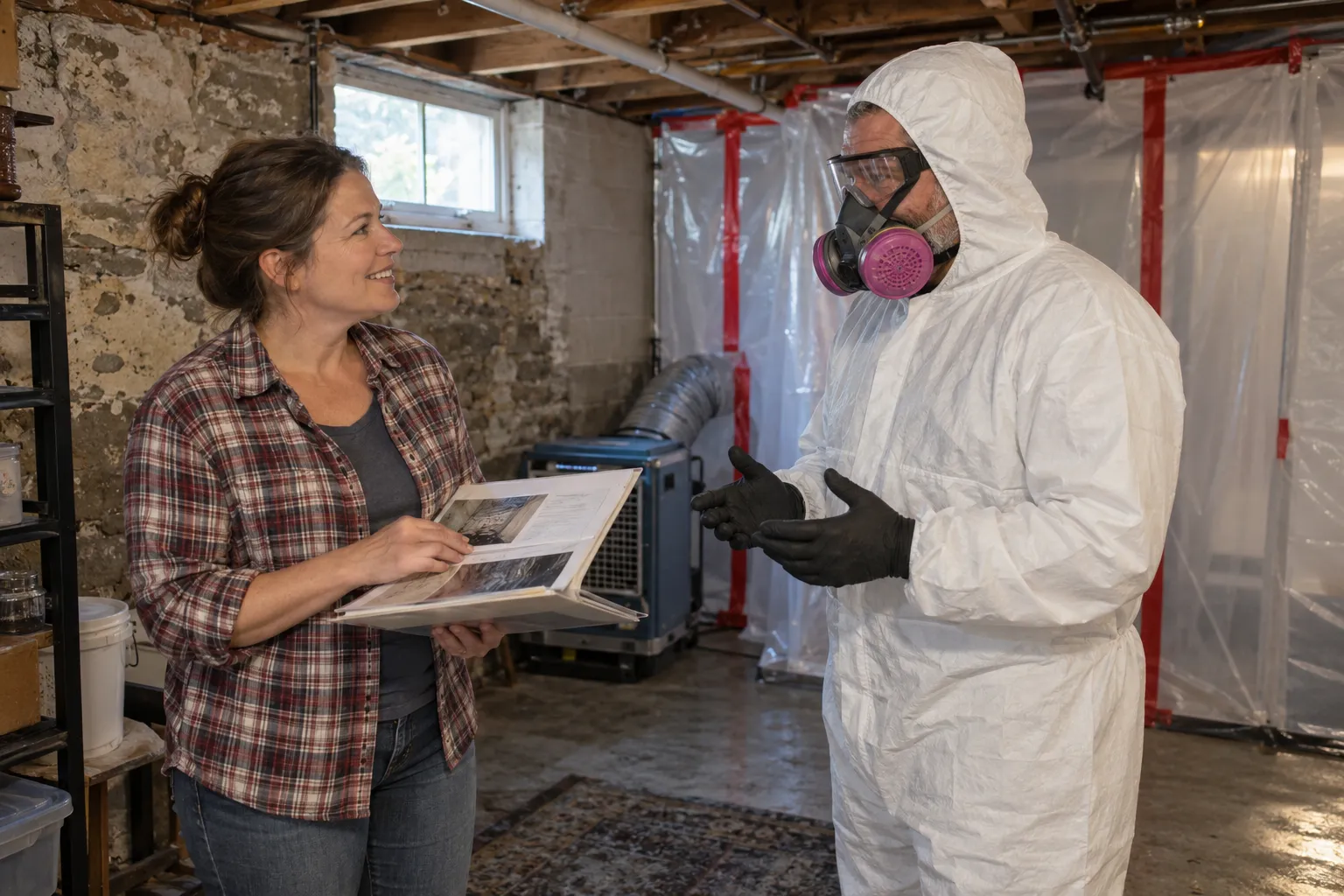
Found mold and not sure where to begin? Get organized, ask smart questions, and meet a local provider who can help.
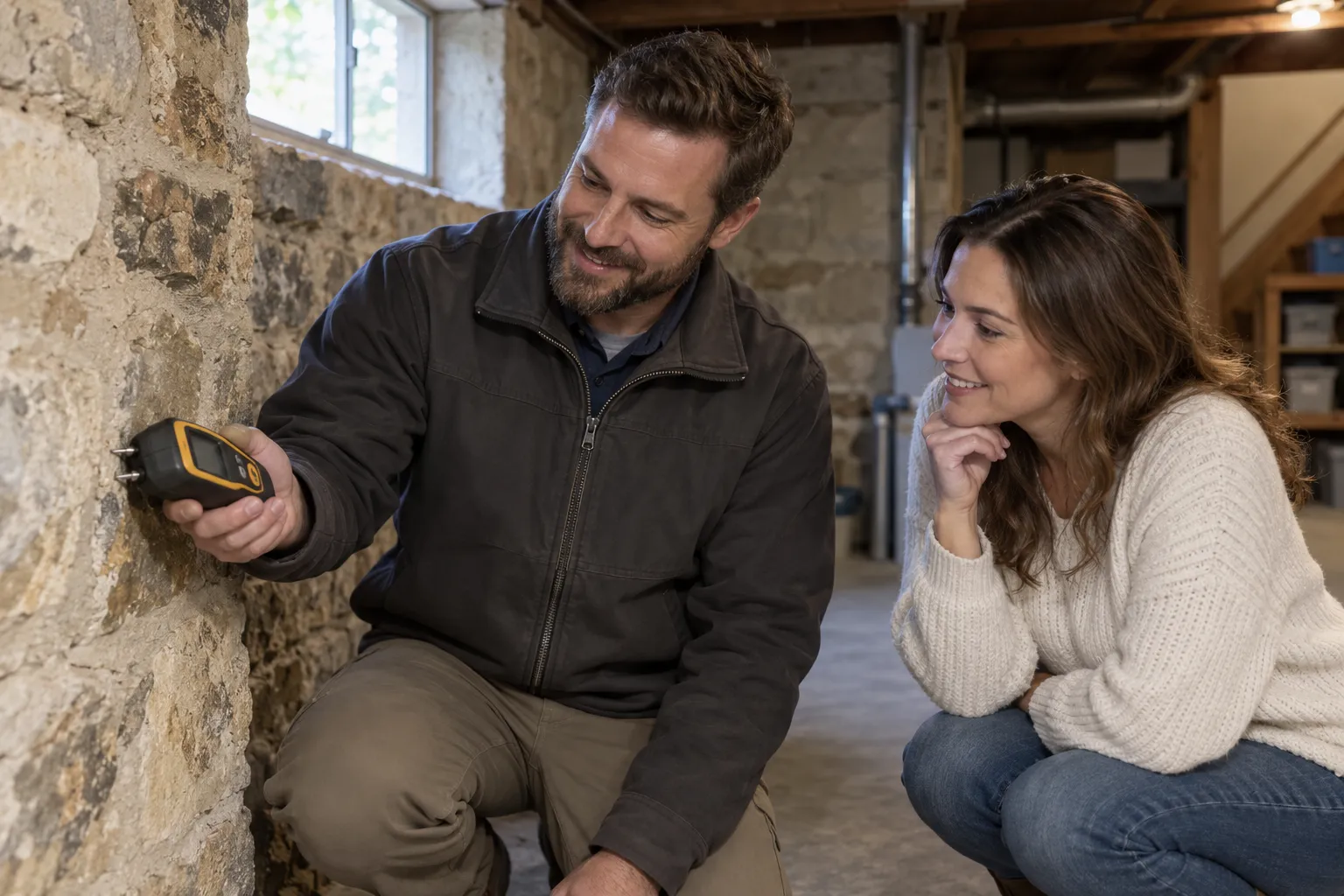
Spotted mold or smell something musty? Pinktube Mold Help connects Baltimore homeowners with independent local providers for inspection, testing and cleanup, with extra care for older homes.
Baltimore Severn Ashton-Sandy Spring Bowie Pikesville Arbutus Glen Burnie Odenton
No. Pinktube Mold Help is a referral service. We connect homeowners with independent local providers who perform the inspection, testing and remediation. Your agreement, estimate and work are all between you and the provider you choose.
If you see growth, smell a musty odor or had a past leak, testing can help confirm what is going on. Ask a provider whether they offer certified mold testing and what the results will actually show you.
Costs vary by size, location and materials. In the U.S., small jobs may cost several hundred to a few thousand dollars, while larger ones can reach five figures. Get a written quote before any work begins.
It depends on your policy and the cause. Some policies may cover sudden damage, so check yours. Providers can often help document damage for a claim.
Take dated photos, write down when you first noticed the problem, and gather past repair receipts. Avoid scrubbing or painting over the area. Keep fans off if you can, and note any recent leaks or storms.
Have a question about a musty smell or a dark spot? Request a callback or send a request. Tell us about your home and we will point you to a local provider.
We connect the Baltimore area homeowners with independent local mold providers, and we help you show up to every estimate prepared.
Take dated photos, write down what you see and smell, and keep the area undisturbed.
Pull together repair receipts, earlier reports and your policy details in one folder.
Request a callback to check availability, or request an estimate and share your home's history.
Review the scope, moisture plan and final check, then choose the provider that fits.
Most mold problems fall into two buckets. The cards below show the services that providers in our network handle: general mold remediation, and black mold removal for darker, more worrying growth. Pick the one that sounds closest to your situation.
Found mold and not sure where to begin? Get organized, ask smart questions, and meet a local provider who can help.
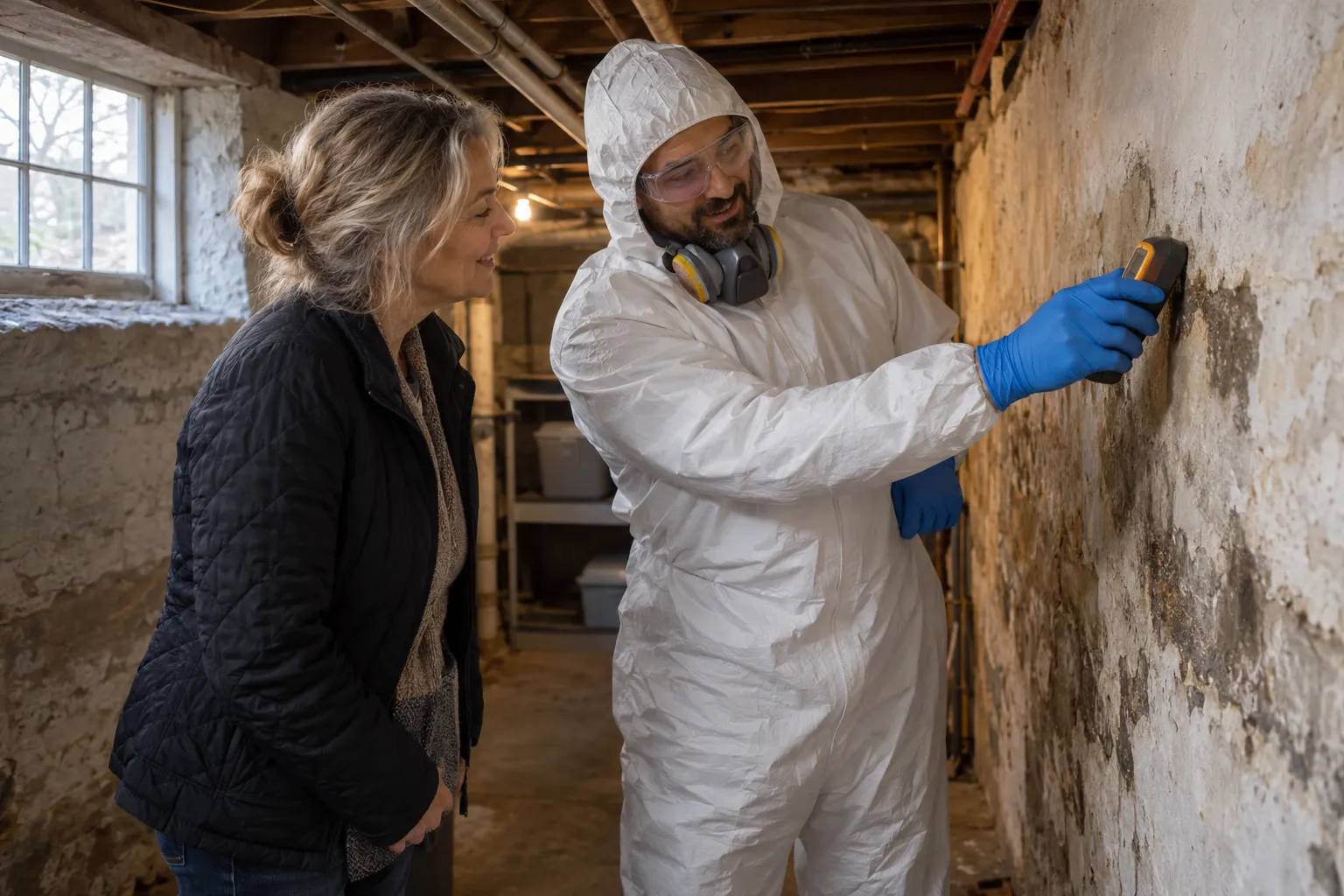
Spotted dark, fuzzy patches at home? Let's sort out what they are and who can safely remove them.
Did you spot a dark patch on the ceiling, a fuzzy corner in the basement, or a smell you cannot place? Take a breath. This is a common problem, and it is very fixable.
Pinktube Mold Help is a referral service for homeowners in Baltimore, MD. We connect you with independent local providers who handle mold inspection, testing and cleanup. We do not do the work ourselves. The provider does.
Why start with a phone conversation? Because mold questions are easier to sort out by talking. You can describe what you see, ask what a visit involves, and learn which providers in our network serve the Baltimore area. Request a callback to check provider availability, since hours vary from one provider to the next.
Is your house older? Many homes around here have basements, aging pipes and layers of past repairs. Those can hide moisture in surprising places. A good provider knows where to look.
Not ready to talk yet? That is fine. You can request an estimate and tell us a little about your home. There is no obligation.
Pinktube Mold Help is a go-between. Homeowners tell us what is going on, and we connect them with an independent provider in our network. The provider inspects, tests and cleans. Pinktube Mold Help does not do the work itself, and that keeps things honest and simple.
First, you describe the problem. Mold on a wall? A leak that dried up months ago? A musty basement? Next, you are pointed to a local provider who fits your situation. The provider then sets up a visit, looks things over and gives you a written estimate. You decide what happens next.
Older houses have stories. Maybe a pipe was patched in the eighties. Maybe a wall was painted over a damp spot. Maybe the basement has seen a few spring floods. Providers who work on older homes know that mold often sits behind the obvious signs, not in front of them.
Yes, and it helps a lot. Take dated photos. Jot down when you first noticed the problem. Save any past repair receipts. When you have these in hand, estimates are clearer and conversations go faster. Some policies may cover sudden damage, so check your own policy, and ask the provider what documentation they can help with.
That is the whole idea. Questions first, then the right provider, then a plan you understand.
Are you searching for mold inspection near me? If your home is in Baltimore or anywhere in the Baltimore area, you are in the right spot.
Providers in our network work across a mix of housing. That includes colonial homes, split-levels with finished lower levels, and rowhouses in older neighborhoods. Each one has its own quirks. A rowhouse may share walls and have an old flat roof. A split-level may have a damp lower floor. A colonial may have a basement that feels clammy every August.
Coverage depends on the provider. Some travel farther than others, and schedules change. Request a callback to check which provider can serve your street and when.
Prefer to type it out? Send a short description of your home and the problem, and you will be pointed in the right direction.
Time adds up. Worn caulk, tired roofing, hairline foundation cracks and aging cast-iron or galvanized pipes can all let small amounts of water in. Some leaks run slowly inside walls for years. Past repairs may have covered a damp spot instead of drying it.
Humid summers push moisture into basements and crawl spaces. Nor'easters drive rain against siding and windows. Freeze-thaw winters crack mortar and flashing, then let meltwater sneak in. Four seasons means four chances for moisture to find a way inside.
Start low and work up. Check the basement walls, the floor edges and the area around the water heater. Then look at bathrooms, under kitchen sinks, attic roof boards and window corners. In rowhouses, pay attention to shared walls and the roof line.
Mold often looks fuzzy or spotty, and it tends to come back after you wipe it away. It may smell earthy. Only testing can confirm what you have. Ask a provider whether they offer certified mold testing, and what the results will tell you.
Color alone does not tell you much. Plenty of molds look dark. Still, dark growth deserves care. Black mold remediation usually means containing the area, controlling dust and drying the source. That is work for a provider, not a weekend scrub.
Take wide photos and close-ups with the date. Note the room, the smell and any recent rain or leaks. Keep receipts, reports and moisture readings. A tidy folder makes estimates easier to compare, and providers can often help document damage for a claim. Some policies may cover sudden damage, so check your policy.
It varies by job. In the U.S., inspection and testing often run from a few hundred dollars to around a thousand. Small cleanups may land between several hundred and a few thousand dollars. Large or hidden problems can climb into five figures. Always get a written quote.
Fix the water source first. Clean gutters, direct downspouts away from the house, and vent bathrooms. Run a dehumidifier in damp spaces. Aim to keep indoor humidity below about 50 percent. Then check your trouble spots after each big storm.
Still wondering whether what you found is a big deal? Ask. A short conversation can save you a lot of guessing.
Request a callback to check provider availability and talk through your next step. Hours vary by provider, so asking early helps.
Or send a few details and request an estimate whenever it suits you.
Have a question about a musty smell or a dark spot? Request a callback or send a request. Tell us about your home and we will point you to a local provider.
No obligation